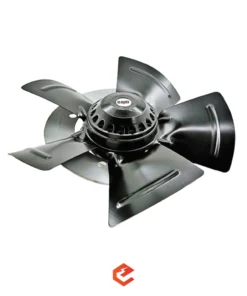
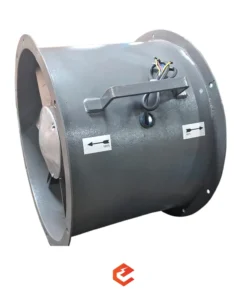
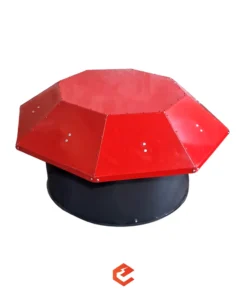
Industrial Ventilation Applications

Explore applications and use cases of Eyyani industrial blowers and fans for ventilation, cooling, exhaust and fume extraction. Made in Bengaluru, supplied across India.

Request a Quote Explore Products

Importance of Industrial Ventilation

Ventilation in industries takes heat, dust and harmful fumes out of the workplace and brings fresh air in. It protects workers’ health, keeps machines from overheating and lets production run without interruption.
 
Without airflow, heat builds up, dust hangs in the air and fumes stay where people work. Workers tire quickly, machines fail sooner, and flammable vapours become a fire risk.
 
The right setup depends on how much air you need to move and the resistance it must overcome. Blowers suit ducted, high-pressure jobs like fume extraction, dust handling and machine cooling. Fans suit large open areas like factories and warehouses.
importance industrial ventilation

Industries Using Ventilation Systems

Industrial ventilation takes hot, dirty or harmful air out of your workplace and brings fresh air in. It keeps workers safe, protects your machines and keeps production running smoothly.

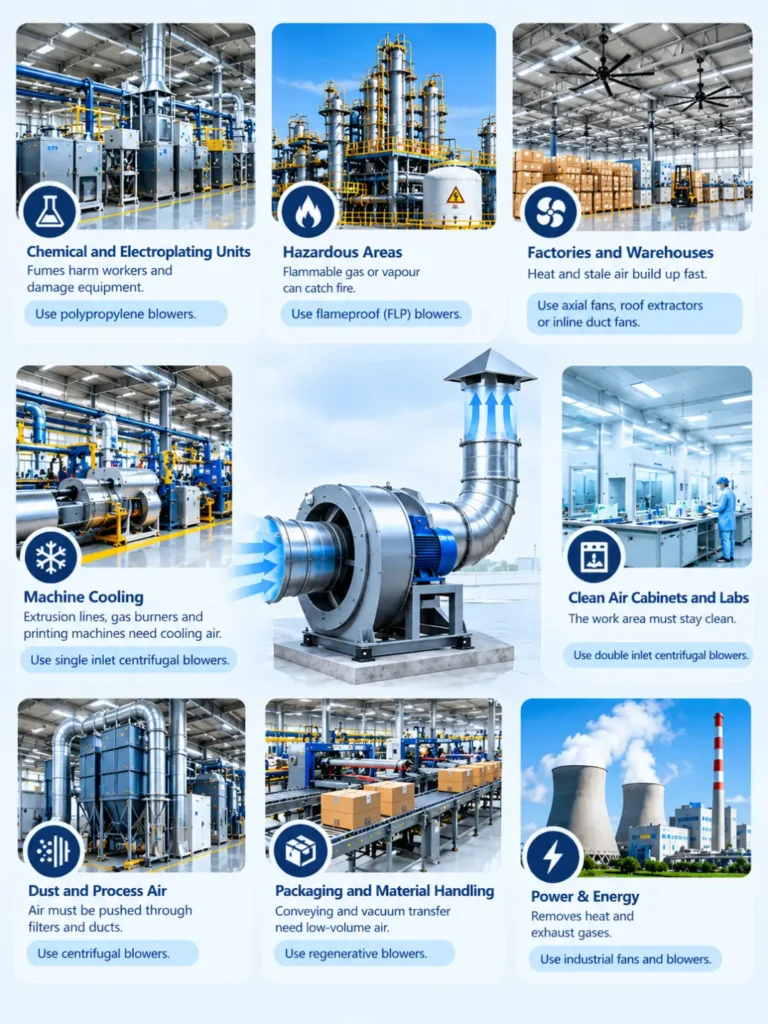
Every industry has a different air problem, so each needs a different blower or fan:

  • Chemical and electroplating units: Fumes harm workers and damage equipment. Use polypropylene blowers.
  • Hazardous areas: Flammable gas or vapour can catch fire. Use flameproof (FLP) blowers.
  • Factories and warehouses: Heat and stale air build up fast. Use axial fans, roof extractors or inline duct fans.
  • Machine cooling: Extrusion lines, gas burners and printing machines need cooling air. Use single inlet centrifugal blowers.
  • Clean air cabinets and labs: The work area must stay clean. Use double inlet centrifugal blowers.
  • Dust and process air: Air must be pushed through filters and ducts. Use centrifugal blowers.
  • Packaging and material handling: Conveying and vacuum transfer need low-volume air. Use regenerative blowers.

The right blower or fan makes your workplace safer, protects your equipment and saves energy.
Ventilation system uses

Benefits of Industrial Ventilation Systems

The main benefits of an industrial ventilation system are a safer workplace, longer machine life and steadier production. It works by removing heat, dust and fumes and replacing them with fresh air.

Good ventilation gives you:

  • Safer workers: Less heat, dust and fumes to breathe in, so workers face fewer health risks on the shop floor.
  • Better comfort: Cooler, fresher air keeps workers alert and productive through long shifts.
  • Longer machine life: Motors and panels run cooler, so they wear out slowly and need fewer repairs.
  • Fewer stoppages: Less overheating means fewer unplanned breakdowns and less lost production time.
  • Better product quality: Clean, steady airflow protects sensitive work like printing, electronics and pharma.
  • Lower fire risk: Flammable vapours are cleared before they build up, especially with flameproof (FLP) blowers in hazardous areas.
  • Cleaner workplace: Less dust and moisture settles on machines, products and floors.
  • Lower energy cost: A blower or fan sized correctly for your airflow and pressure uses only the power it needs.

Ready to improve the air in your plant? Tell us your airflow and pressure requirement, and Eyyani’s team will recommend the right blower or fan, or build a custom one for your application.

Request a Quote Contact Us

Industrial Applications of Our Fans & Blowers

Single inlet Centrifugal Blower

single inlet centrifugal blower

    Industrial Applications of Single Inlet Centrifugal Blowers 

  • Forced cooling: Blows steady air over hot parts so they don’t overheat.
  • Plastic extrusion machines: Cools barrels and heating zones to keep the process stable.
  • Gas burners: Supplies the airflow the burner needs.
  • Reprographic and printing equipment: Provides cooling and air supply inside the machine.
  • Xenon lamps: Keeps the lamp cool while it runs.

    Key Benefits of Single Inlet Centrifugal Blower

  • Compact size: Fits into machines and tight spaces (Ø120 × 30 mm to Ø280 × 155 mm).
  • Continuous duty: S1 rating means it can run non-stop.
  • Durable build: Aluminium die-cast casing and powder-coated mild steel impeller.
  • Heat-ready motor: Class F insulation handles higher operating temperatures.
  • Smooth running: Ball bearings for long, reliable operation.
  • Wide choice: 17 models, so you can match your airflow need closely.
  • Made in-house: Built at our Bengaluru facility and supplied across India.
For enquiry

DOUBLE INLET CENTRIFUGAL BLOWER

dOUBLE INLET CENTRIFUGAL BLOWER

  Industrial Applications of Double Inlet Centrifugal Blowers

  • Clean air cabinets: Keeps steady airflow moving through the cabinet so the work area stays clean.
  • Data processing machines: Cools electronics and keeps equipment from overheating.
  • Rotogravure printing machines: Provides steady airflow for the printing process.
  • Plastic extrusion machines: Supplies cooling air to keep the process stable.

   Key Benefits of Double Inlet Centrifugal Blowers

  • High airflow: 400 to 4,400 m³/hr from a compact blower.
  • Wide size range: Ø133 × 120 mm to Ø240 × 280 mm, so it fits many machine designs.
  • Continuous duty: S1 rating means it can run non-stop.
  • Durable build: Aluminium die-cast casing and powder-coated mild steel impeller.
  • Heat-ready motor: Class F insulation handles higher operating temperatures.
  • Smooth running: Ball bearings for long, reliable operation.
  • Low-noise operation: Suited to equipment and areas where quiet running matters.
  • Quality tested: Precision-engineered and tested before dispatch.
  • 1-year manufacturing warranty: Backed by the manufacturer, and supplied across India
For enquiry

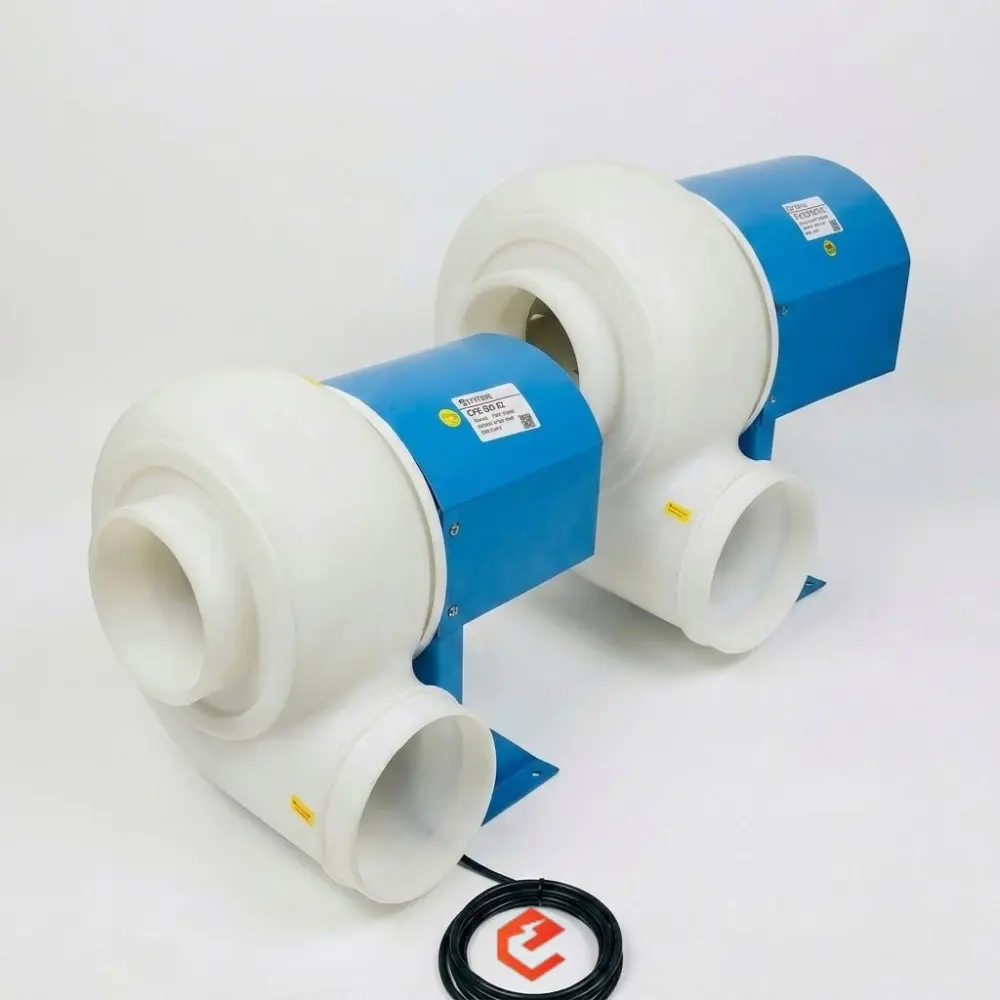
Polypropylene Blowers

Custom polypropylene blowers for corrosive environments

     Industrial Applications of Polypropylene Blowers

  • Chemical plants: Pulls acid fumes and chemical exhaust out of process areas.
  • Electroplating shops: Clears corrosive fumes from the plating line.
  • Lab fume hoods: Takes harmful vapours away from the people working.
  • Environmental protection equipment: Moves corrosive air through fume treatment systems.
  • Research labs: Handles air in labs that work with chemicals.
  • Metallurgy, electronics and medicine: Keeps corrosive fumes out of the workspace.
  • Mould workshops: Keeps the air breathable around the work.
  • Chemical warehouses: Ventilates storage areas where vapours collect.

   Key Benefits of Corrosion-Resistant Polypropylene Blowers

  • It doesn’t corrode: The polypropylene body and impeller stand up to acids and alkalis.
  • It handles tough air: Chemical fumes that would damage other blowers are no problem.
  • It covers many jobs: 500 to 4,260 m³/hr, from small lab setups to larger exhaust systems.
  • It lasts: Corrosion resistance means fewer replacements in harsh conditions.
  • It can be customized: We can build custom PP blowers to fit your installation.
  • You deal with the maker: Built at our Bengaluru facility and supplied across India.
For enquiry

Flame Proof and Non FLP Extended Shaft Single and Double Inlet Blowers

Flp exytended single double inlet blowers

    Industrial Applications of FLP and Non-FLP Blowers

  • Chemical, petrochemical and mining facilities: Moves air in places where gases or vapours can be present.
  • Paint spray booths (non-flammable coatings): Clears overspray and fumes from the booth.
  • Large HVAC and ventilation systems: Gives high airflow for big buildings and plants.
  • Oven and dryer exhausts (non-combustible environments): Removes hot air and fumes from the process.
  • Process air handling and dust extraction: Keeps air and dust moving through ducts and filters.

      Key Benefits of Extended Shaft Blower Designs

  • Two options, one range: Pick FLP for hazardous areas or non-FLP for general use, and decide based on your site.
  • Single or double inlet: Choose the configuration that fits your airflow and space.
  • Strong airflow: 1,000 to 5,150 m³/hr, enough for large exhaust and ventilation jobs.
  • Fits many machines: Sizes from Ø200 × 100 mm to Ø225 × 220 mm.
  • Right for demanding sites: Used in chemical, petrochemical and mining facilities and process plants.
  • Made in-house: Built at our Bengaluru facility and supplied across India.
For enquiry

REGENRATIVE BLOWER

Regenerative Blower

    Industrial Applications of Regenerative Blowers

  • Pneumatic conveying: Moves light materials through pipes using air.
  • Vacuum transfer and scrap collection: Pulls material and waste away from the work area.
  • Batch processing: Supplies air or vacuum at the steps that need it.
  • Air bearing workstations: Provides the air supply for smooth, low-friction movement.
  • Furnace combustion air: Feeds the furnace the air it needs to burn properly.
  • Parts processing and packaging: Holds, lifts or moves parts and packs using air or vacuum.

   Key Benefits of Regenerative Blower Technology

  • Air or vacuum: One type of blower works for both air supply and vacuum jobs.
  • Right size for the job: 16 to 145 m³/hr suits machines and workstations, so you’re not paying for airflow you don’t need.
  • Wide power range: 90 W to 750 W, so you can match it to your machine.
  • Easy to fit into a line: Works well on production lines, workstations and packaging equipment.
  • Direct from the maker: Built at our Bengaluru facility and supplied across India.
For enquiry

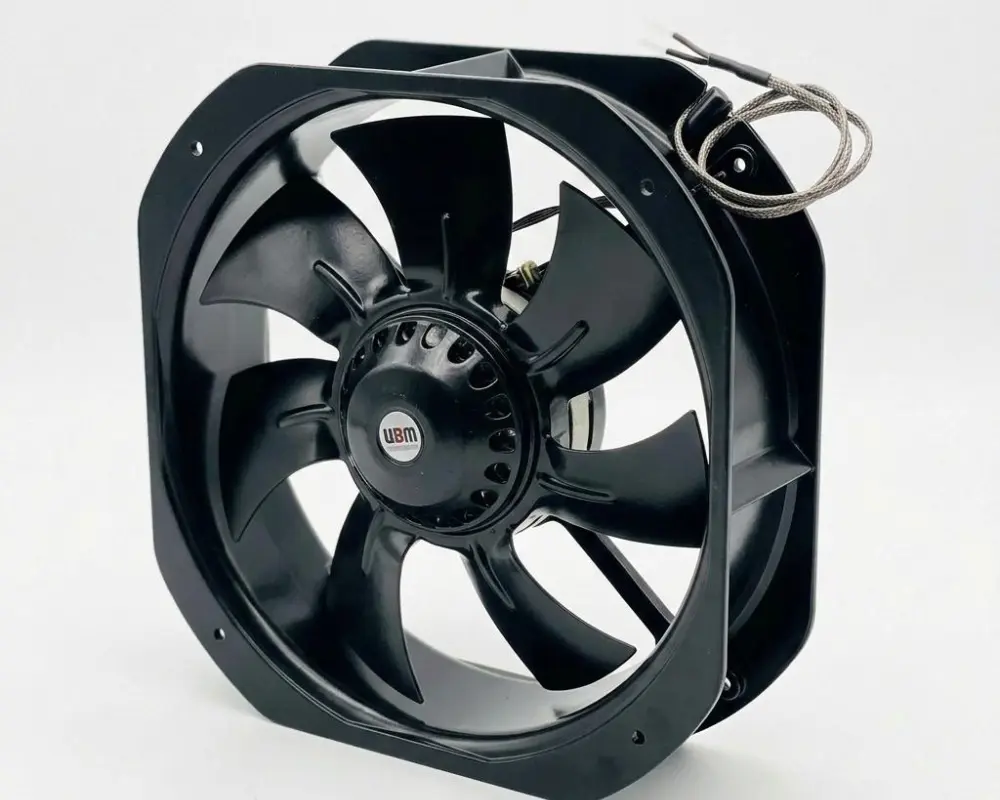
Axial Fans

Axial fans

  Industrial and Commercial Applications of Axial Fans

  • Factory ventilation: Pulls the hot, stale air out of your production hall and lets fresh air flow in, so the floor stays comfortable.
  • Warehouses: Keeps air moving across big storage areas, so heat and mustiness don’t settle in.
  • Textile units: Takes the heat off the shop floor and keeps the air fresh for the people working there.
  • Food processing areas: Helps keep production spaces cool and well ventilated through the shift.
  • Industrial exhaust: Sends heat, smoke and fumes straight out through walls and openings.
  • Equipment cooling: Blows air across machines to carry heat away before it becomes a problem.

    Key Benefits of Axial Fan Ventilation Systems

  • High airflow: Moves a lot of air quickly, which is exactly what open spaces and general ventilation need.
  • Simple design: Air flows straight through, so it works best where there’s little duct resistance.
  • Easy to fit: Goes into walls, openings and short duct runs without a complicated setup.
  • Covers big areas: Handles warehouses, workshops and factory floors without needing heavy ducting.
  • Direct from the maker: Built at our Bengaluru facility and supplied across India, so you deal with the people who make it.
For enquiry

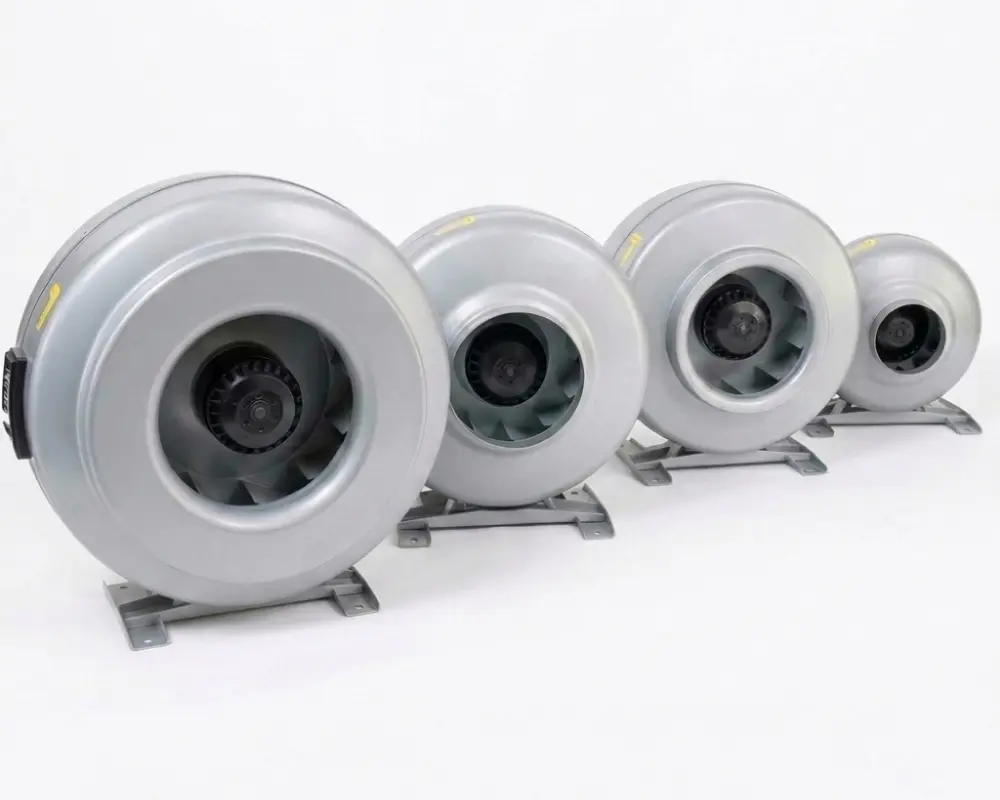
Inline duct fan

Inline duct fan

   Industrial and Commercial Applications of Inline Duct Fans

  • Ducted ventilation: Keeps fresh air flowing through duct lines to rooms and work areas.
  • Exhaust systems: Pulls stale air, heat and odours out through the duct.
  • Warehouses: Helps move air through ducting in large storage areas.
  • Textile units: Takes heat off the shop floor through ducted ventilation.
  • Food processing areas: Supports ventilation and cooling in production spaces.
  • Cabinets and enclosed spaces: Moves air through ducts to carry heat away from equipment.

   Key Benefits of Inline Duct Ventilation Systems

  • Made for ducts: Fits inside the duct line, so it doesn’t take up floor or wall space.
  • Steady airflow through ducting: Keeps air moving along longer or bending duct runs.
  • Easy to fit: Slots into the duct line without a complicated setup.
  • Neat installation: Sits in the duct, so the room stays clear.
  • Direct from the maker: Built at our Bengaluru facility and supplied across India, so you deal with the people who make it.
For enquiry

Centrifugal Backward Curved Fans

centrifugal curved fans

    Industrial Applications of Backward Curved Centrifugal Fans

  • Industrial ventilation: Handles process air, fume extraction and heat removal.
  • Commercial HVAC: Keeps air moving in hospitals, offices, malls and institutional buildings.
  • Cleanrooms and laboratories: Holds the steady airflow and pressure these spaces need.
  • Filtration and dust collection units: Pushes air through high-efficiency filters at a stable rate.
  • Drying and cooling equipment: Gives controlled airflow in ovens, drying tunnels and cooling systems.
  • Heat recovery systems: Moves air through heat exchangers to save energy.
  • Air curtains and ducted installations: Creates the high-velocity airflow that separates two environments.
  • OEM equipment: Fits into custom air handling equipment built by manufacturers.

    Key Benefits of Backward Curved Fan

  • High static pressure: Pushes air through ducts, filters and air handling units without losing flow.
  • Energy efficient: Smooth airflow means less turbulence, lower power use and lower running cost.
  • Non-overloading power curve: Power draw stays in check, which helps protect the motor from overload.
  • Quiet running: The impeller design keeps noise and vibration low, so it suits labs, cleanrooms and offices.
  • Strong build: Made from steel or aluminium for long, low-maintenance service.
  • Compact: Fits tight spaces and works in new or retrofitted systems.
  • Direct or belt drive: Choose direct drive for higher efficiency and less maintenance, or belt drive for adjustable speed.
  • Direct from the maker: Built at our Bengaluru facility and supplied across India, so you deal with the people who make it.
For enquiry

Direct Driven Axial Flow Fan (Long Body)

Direct Driven Axial Flow Fan (Long Body)

  Industrial Applications of Long Body Axial Flow Fans

It is used for general ventilation in warehouses, factories, gymnasiums and agricultural buildings, and for exhaust, air circulation, drying and cooling.

  • General ventilation: Warehouses, factories, gymnasiums and agricultural buildings.
  • Exhaust systems: Removes stale air, fumes and pollutants.
  • Air circulation: Keeps temperature even across large areas.
  • Drying processes: Helps dry materials in industrial applications.
  • Equipment cooling: Blows cooling air over machinery and electrical equipment.
  • OEM equipment: Fits into custom ventilation and air handling units.

 Key Benefits of Direct Driven Axial Fan 

It runs with less friction and maintenance than a belt-driven fan, and the long body gives smooth, even airflow through long ducts.
  • Direct drive: No belt, so less energy loss and less servicing.
  • Long body design: Reduces turbulence and keeps airflow even.
  • Tough construction: Galvanized, mild or stainless steel casing, with PP or aluminium impeller.
  • Adjustable pitch impeller: Fine-tune airflow and pressure.
  • Quiet and easy to fit: Fewer moving parts and a simpler installation.
For enquiry

Inline Cabinet fan

inline cabinet fans

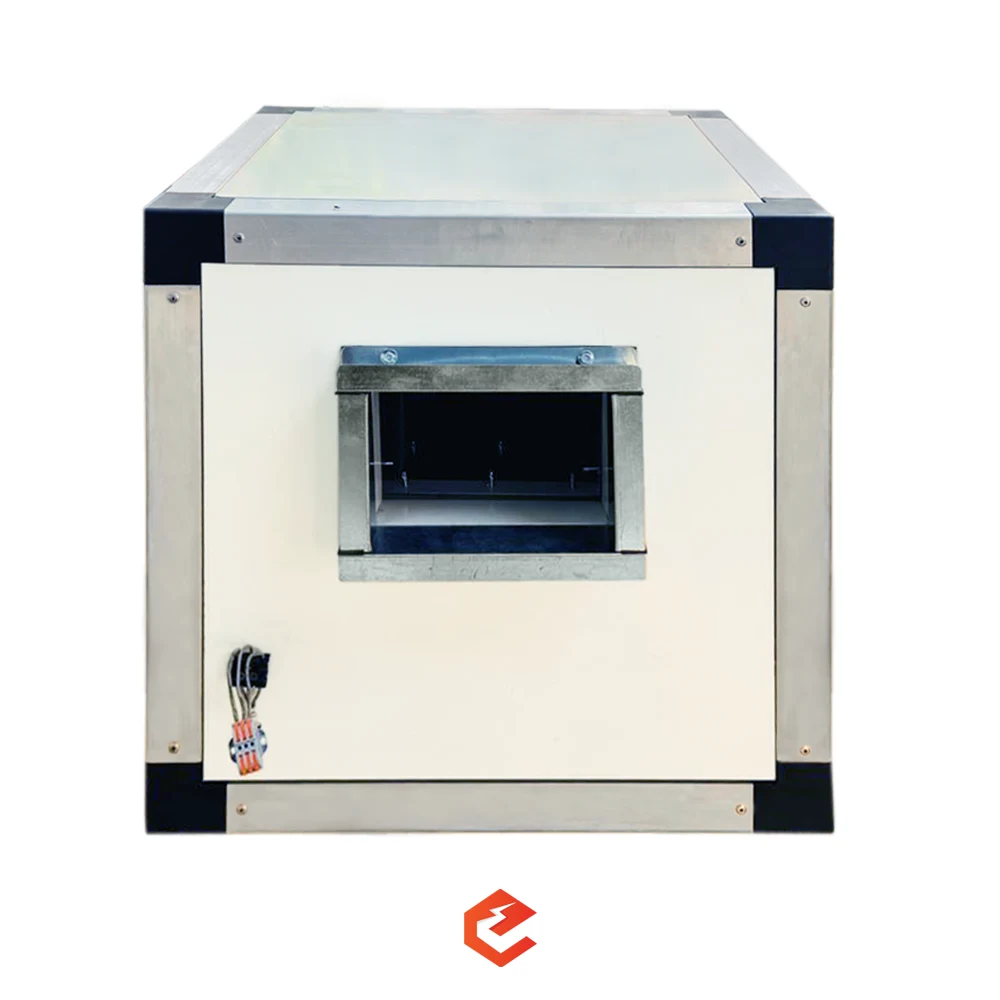
An inline cabinet fan is a fan built into a box-shaped (cabinet) casing that connects to ductwork, so it moves air through the duct line for exhaust, fresh air supply or return air. It is used in commercial buildings, kitchens, washrooms and industrial spaces. Eyyani makes inline cabinet fans in Bengaluru and supplies them across India.

   Industrial and Commercial Applications of Inline Cabinet Fans

It is used wherever a ducted system needs a quiet, easy-to-mount fan, such as offices, commercial buildings, kitchens, washrooms, restaurants and factories.

  • Commercial buildings and offices: Supplies fresh air and removes stale air through ducting.
  • Kitchens and restaurants: Pulls cooking heat, smoke and odours out through the duct.
  • Washrooms and utility areas: Exhausts damp, stale air to the outside.
  • Ceiling and plant-room installations: Sits out of sight above a false ceiling or inside a service space.
  • Factories and workshops: Moves air through ducted ventilation lines.
    Key Benefits of Inline Cabinet Fan

Its boxed casing mounts easily in a duct line, keeps the fan out of the way and suits places where quiet running matters.

  • Box-type casing: Connects straight to ductwork and is easy to mount.
  • Out of sight: Installs above ceilings or in service spaces, so the room stays clear.
  • Quiet running: Suited to offices and public areas where noise matters.
  • Steady airflow through ducting: Keeps air moving along long or bending duct runs.
  • Direct from the maker: Built at our Bengaluru facility and supplied across India.
For enquiry

Plug Fan

Plug Fan

   Industrial and HVAC Applications of Plug Fans

It is used inside HVAC systems, air handling units (AHUs), industrial ovens, dryers, cleanrooms and process ventilation systems.

  • HVAC systems: Keeps air moving evenly in heating, cooling and ventilation setups.
  • Air handling units (AHUs): Fits straight inside the unit to circulate air.
  • Industrial ovens and dryers: Supports steady air circulation and temperature control.
  • Cleanrooms: Helps maintain consistent airflow in controlled areas.
  • Process ventilation: Provides ventilation across a range of industrial environments.

   Key Benefits of Plug Fan 

It is compact, easy to install and gives smooth, even airflow, which makes it a practical fit for air handling equipment where space is tight.
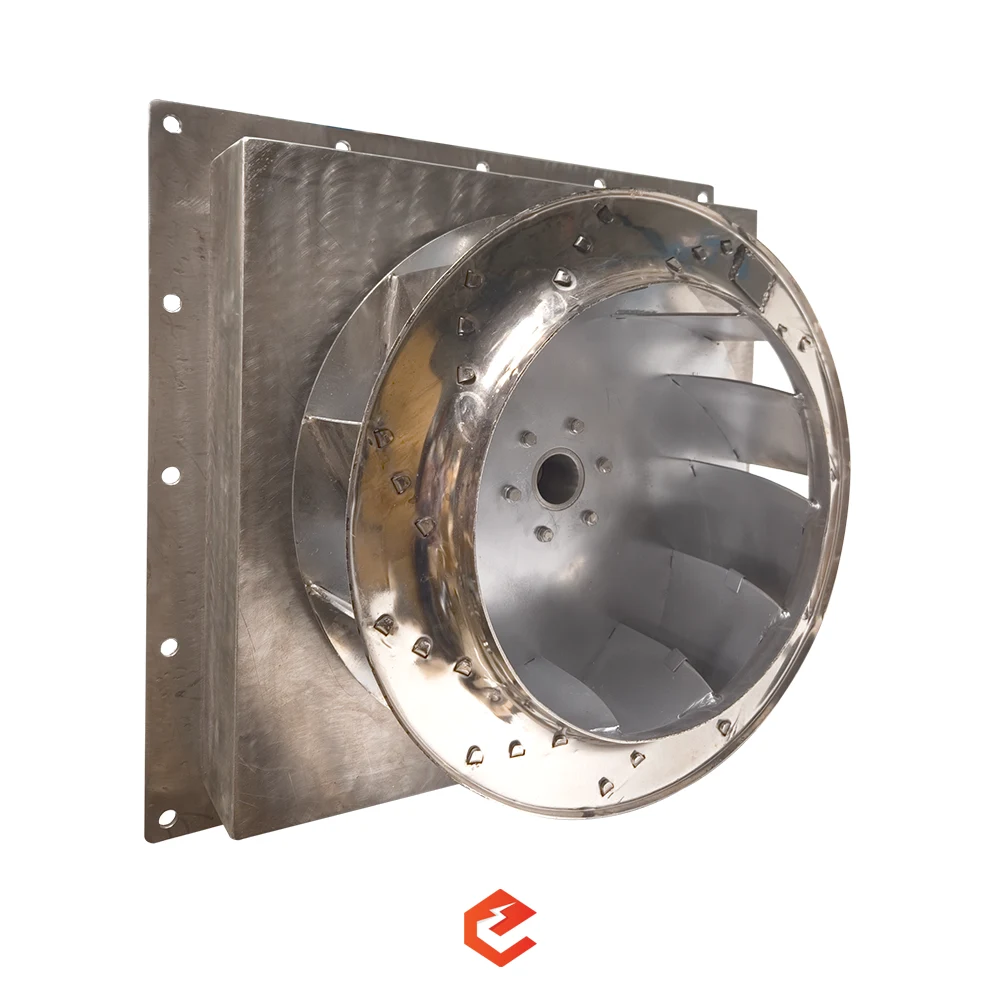
  • Compact design: A housing-free unit that saves floor space.
  • Easy to install: Drops directly into air handling equipment, which saves installation time.
  • Smooth, even airflow: Keeps air circulating consistently.
  • Reliable performance: Suited to continuous use in industrial and HVAC settings.
  • Direct from the maker: Built at our Bengaluru facility and supplied across India.
For enquiry

Wall Mounted Fan and Extractor Fans

Wall Mounted Fan and Extractor Fans

Wall mounted fans circulate air for cooling, and wall mounted extractor fans pull stale air, odours, moisture and contaminants out of a room. Both mount on the wall, so they save floor and desk space. They are used in kitchens, offices, workshops, gyms and retail spaces. Eyyani makes them in Bengaluru and supplies them across India.

    Industrial and Commercial Applications of Wall-Mounted          Fans and Extractor Fans

They are used in homes, offices, commercial kitchens, restaurants, workshops, garages, industrial spaces, gyms, studios and retail stores.

  • Residential rooms, kitchens and living areas: Cools the room and clears cooking smells and moisture.
  • Offices, conference rooms and cubicles: Keeps the air fresh and comfortable.
  • Commercial kitchens and restaurants: Extracts heat, odours and stale air.
  • Workshops, garages and industrial spaces: Removes fumes, dust and stale air.
  • Gyms, studios and retail spaces: Keeps air moving in busy areas.

  Key Benefits of Wall-Mounted Ventilation and Exhaust Fans

They free up floor space, install easily on most walls and give steady airflow or extraction exactly where it is needed.
  • Space saving: Mounted on the wall, so floors and desks stay clear.
  • Adjustable airflow: Wall mounted fans offer speed control, oscillation and tilt, so you can direct the air where you want it.
  • High-performance extraction: Extractor fans use an impeller built for consistent, powerful extraction.
  • Built to last: Durable materials, with weather-resistant extractor fans suitable for indoor and semi-outdoor use.
  • Quiet and energy efficient: Low-noise motors keep sound down and save power.
  • Safe and easy to fit: Protective grills and adjustable shutters improve safety and airflow control, and installation is simple.
  • Direct from the maker: Built at our Bengaluru facility and supplied across India.
For enquiry

Fresh Air Fan with HEPA Filter

Fresh Air Fan with HEPA Filter

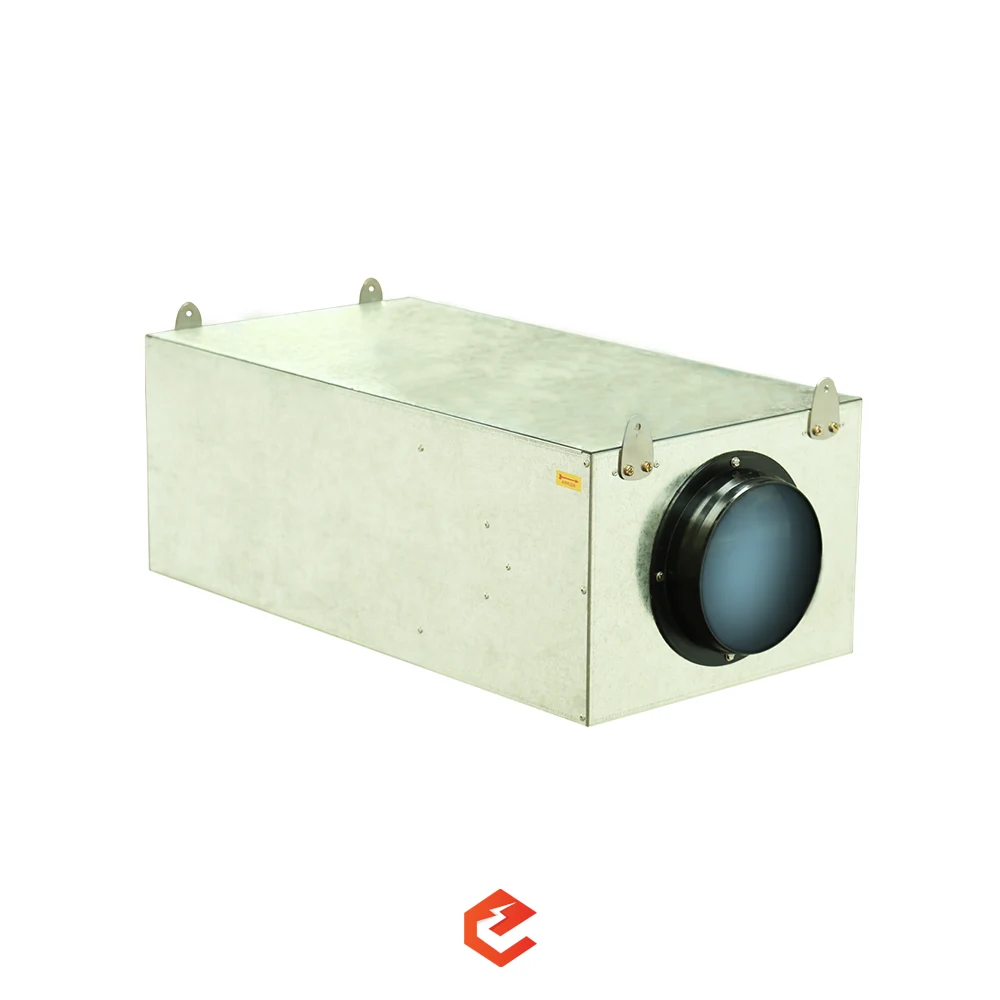
A fresh air fan with HEPA filter brings outdoor air indoors and passes it through a True HEPA filter, so dust, pollen and other fine particles are removed before the air enters the room. It is used in offices, schools, healthcare facilities, labs, commercial spaces and homes. Eyyani makes it in Bengaluru and supplies it across India.

    Industrial and Commercial Applications of HEPA Filter                Fresh  Air Fans

It is used wherever people need a steady supply of fresh, filtered air, such as offices, classrooms, healthcare facilities, labs, retail spaces and homes.

  • Offices and workspaces: Replaces stale indoor air and reduces dust and pollutants.
  • Schools and daycares: Keeps classrooms supplied with fresh, filtered air.
  • Healthcare facilities and labs: Supports clean air where air quality matters.
  • Commercial and retail spaces: Gives staff and customers a steady flow of fresh air.
  • Homes: Bedrooms, living areas, basements and kitchens.

  Key Benefits of Roof-Mounted Exhaust Ventilation

It replaces stale indoor air with fresh outdoor air and filters it first, quietly and without opening windows.
  • HEPA filtration: Captures 99.97% of fine particles, including dust, pollen, pet dander and mould spores.
  • Optional extra filters: Add pre-filters for larger particles and activated carbon filters for odours and VOCs.
  • Quiet operation: Suited to bedrooms, offices, classrooms and healthcare areas.
  • Flexible installation: Wall-mounted, window or ducted models to fit your space.
  • Energy smart: Ventilates without the waste of opening windows or a heavy HVAC upgrade.
  • Easy maintenance: Easy-to-reach filters and indicators show when to service.
  • Direct from the maker: Built at our Bengaluru facility and supplied across India.
For enquiry

Roof Extractors

Roof Extractors

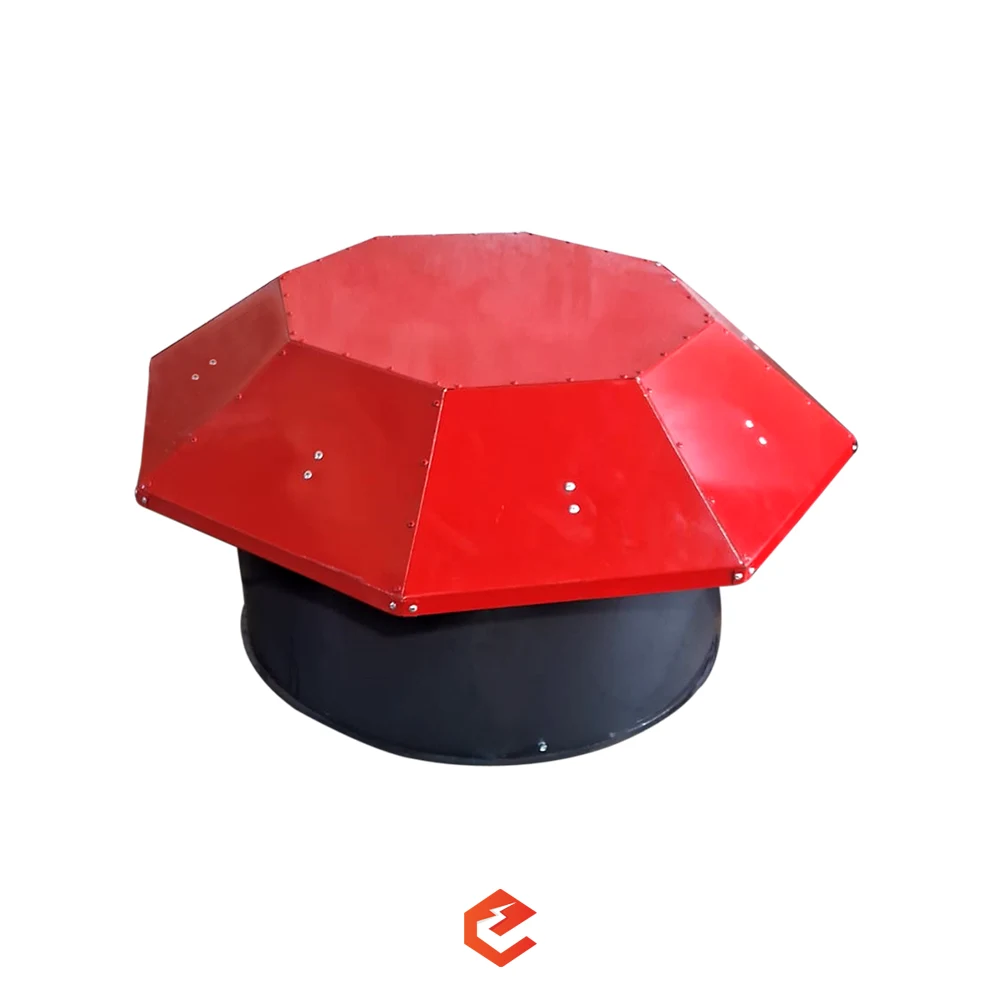
A roof extractor is a fan fitted on the roof that pushes hot, humid and polluted air out of a building from the top. As it pulls air out, fresh air flows in through doors, vents and wall openings. Eyyani makes roof extractors in Bengaluru and supplies them across India.

  Industrial and Commercial Applications of Roof Extractor         Fans

Roof extractors are used wherever heat, moisture and stale air collect under a roof, such as factories, warehouses, workshops, commercial buildings, farms and homes.

  • Factories and workshops: Takes out heat, dust and fumes from production areas.
  • Warehouses: Keeps stored goods in a cooler, drier space.
  • Offices, restaurants and retail: Clears stale air and heat from upper floors.
  • Barns, greenhouses and livestock sheds: Moves out damp, warm air.
  • Homes: Ventilates attics, bathrooms and kitchens.
     Key Benefits of Roof-Mounted Exhaust Ventilation

A roof extractor gives you a cooler building, drier air and less strain on your cooling system, without taking up wall or floor space.

  • Cooler top floors: Heat leaves through the roof instead of staying under it.
  • Fresher air: Dust, odours and fumes are carried out of the building.
  • Less damp and mould: Moisture is removed before it condenses.
  • Lower cooling load: With less heat inside, air conditioning has less work to do.
  • Longer roof and insulation life: Less trapped heat and moisture means less wear.
  • Out of the way: Sits on the roof and is built for outdoor weather.
For enquiry
How can fans and blowers reduce heat in a factory?

Use exhaust fans or roof extractors to push the hot air out, and fresh air fans to bring cooler air in. Place them where the heat gathers and choose enough airflow for the size of your space, and the heat stops building up.

How do you remove dust and harmful fumes from a factory?

Dust and harmful fumes are removed with local exhaust ventilation. A hood captures them where they are made, a blower pulls them through ducts, and a filter or scrubber cleans the air before it is released outdoors. Fresh air replaces what is removed.

How do fans and blowers keep industrial equipment cool?

Fans and blowers move air across hot parts and carry the heat away as fast as it is produced. Fans move large volumes of air over open areas, and blowers push air with more force into ducts, panels and tight spaces.

What are the common mistakes in industrial ventilation system design?

The most common mistakes are choosing the wrong fan size, ignoring duct resistance, extracting air far from the source, forgetting to supply fresh replacement air, and using the wrong fan or material for the job. Each one lowers airflow, wastes power or shortens the life of the system.

What are the main benefits of industrial ventilation in factories?

Industrial ventilation makes factories safer, protects machines and keeps production running by removing heat, dust and harmful fumes.

Not sure which fan or blower you need ?

Tell us your industrial ventilation requirements, desired airflow capacity, and available installation space. Our Bengaluru team will recommend the right industrial fan, centrifugal blower, axial fan, or exhaust ventilation system for your application. We also offer customized ventilation solutions to meet your specific airflow and performance requirements.

Contact Now